Past Event
Access requirements
The Whitechapel Gallery is committed to making all of our events as accessible as possible for every audience member. Please contact access@whitechapelgallery.org if you would like to discuss a particular request and we will gladly discuss with you the best way to accommodate it.
Information about access on site at the gallery is available here https://www.whitechapelgallery.org/visit/access/
This includes information about Lift access; Borrowing wheelchairs & seating; Assistance Animals; Parking; Toilets and baby care facilities; Blind & Partially Sighted Visitors; Subtitles and transcripts; British Sign Language (BSL) and hearing induction loops; Deaf Messaging Service (DMS).
Blondes have more fun, so join us for an evening featuring:
Desperately Seeking Susan (1985), screening at 7pm
Blondies in Alba Caffé
Blond diva performers
Autofoto photo booth reduced to £4 all evening
Blonde wigs and photo backdrops designed by Joy Gregory
Free entry to all exhibitions
All blonde playlist curated by Gallery staff
A chance to win an original Joy Gregory artwork
What a way to say a blonde farewell to Joy Gregory’s iconic ‘The Blonde’.
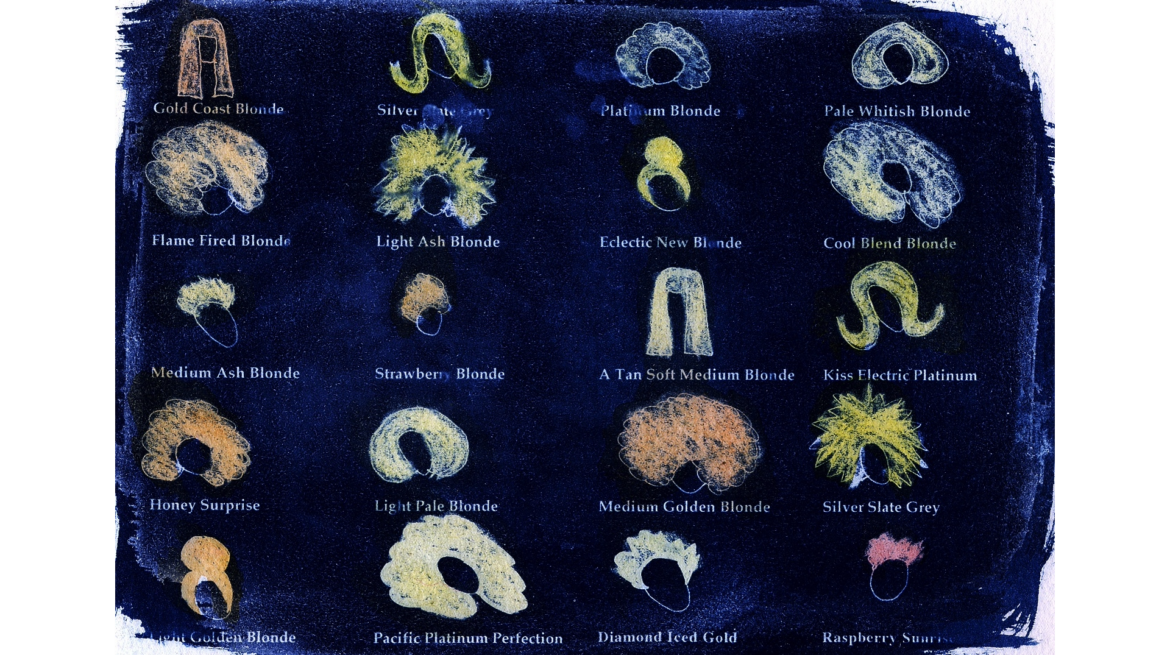
The project began with Gregory noticing an increasing number of people of colour choosing to go blonde. Curious, she interviewed a broad cross-section, asking: Why did you go blonde? How would you describe yourself?
The answers upended the assumption that blonde hair was simply an imitation of a white ideal. Many of these ‘new blondes… revelled in its artifice,’ embracing it as a tool of self-fashioning beyond prescribed categories.
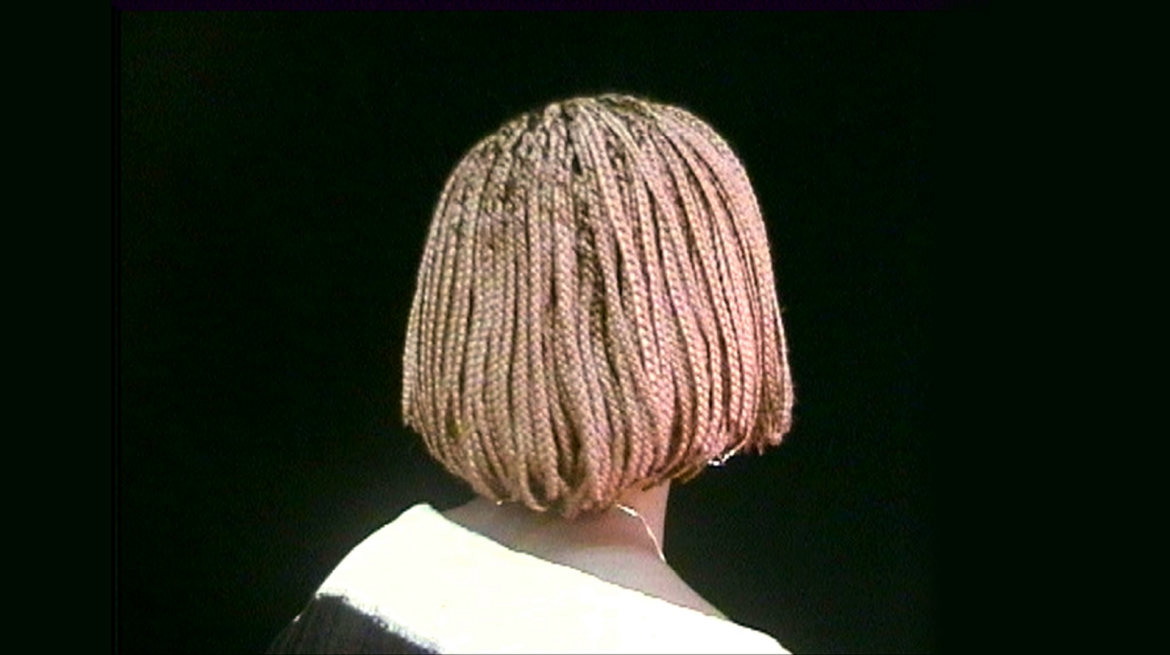
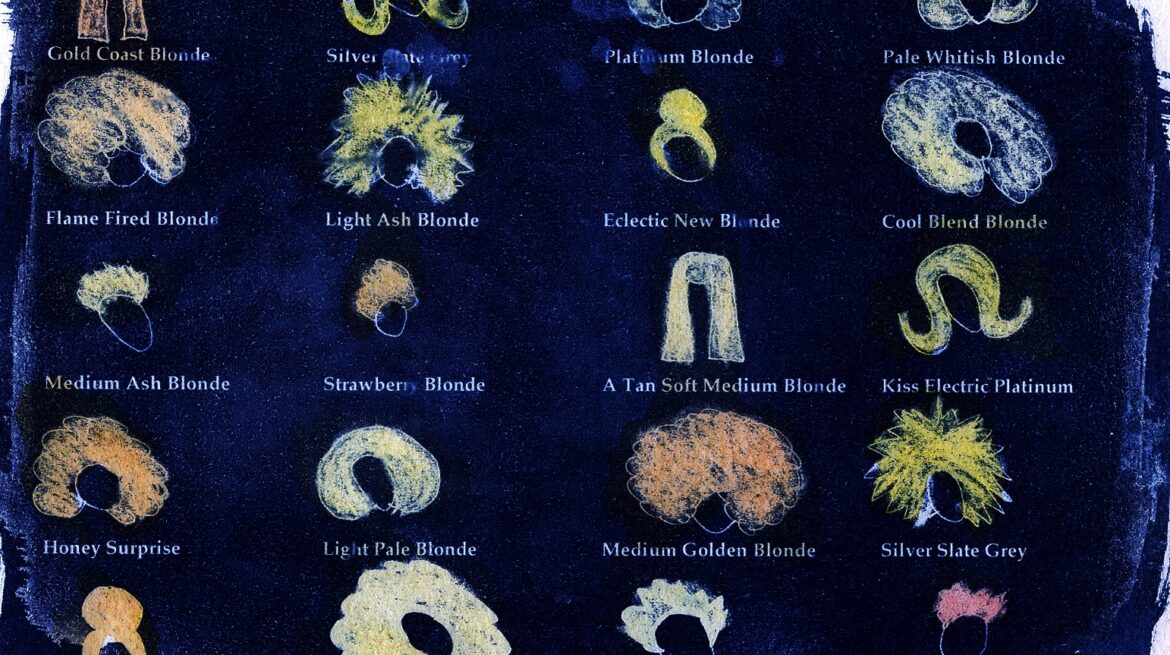
The Blonde is a multi-layered exploration of beauty, identity, and desire that encompasses film, photography, performance, and an early interactive website.
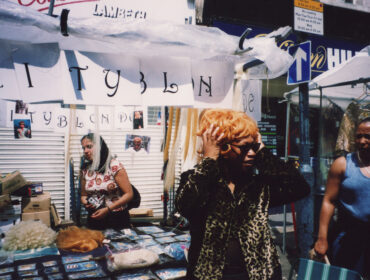
The film Fairest (1998) captures this with candid openness – moments of unguarded honesty and a pre-reality-TV innocence. The Celebrity Blonde project (2003) extended the inquiry to a stall at Brixton Market, where a bewigged Gregory sold blonde memorabilia ranging from 50p postcards to £500 artefacts.
Across these works, Gregory reframes blonde not as a fixed ideal, but as a site of performance, play, and possibility – a reminder that identity can be as fluid, strategic, and dazzling as a change of hair colour.
Desperately Seeking Susan is a 1985 American comedy-drama film directed by Susan Seidelman and starring Rosanna Arquette, Aidan Quinn and Madonna.
Set in New York City, the mistaken identity-type plot involves the interaction between two women – a bored housewife and a bohemian drifter – linked by various messages in the personals section of a newspaper.
The film was Madonna’s first major screen role and also provided early roles for a number of other well-known performers, such as John Turturro, Giancarlo Esposito, Laurie Metcalf and Steven Wright.
Joy Gregory is a graduate of Manchester Polytechnic and the Royal College of Art. She has developed a practice which is concerned with social and political issues with particular reference to history and cultural differences in contemporary society.
As a photographer she makes full use of the media from video, digital and analogue photography to Victorian print processes. In 2002, Gregory received the NESTA Fellowship, which enabled her the time and the freedom to research for a major piece around language endangerment. The first of this series was the video piece Gomera, which premiered at the Sydney Biennale in May 2010.
She is the recipient of numerous awards and has exhibited all over the world showing in many festivals and biennales. Her work included in many collections including the UK Arts Council Collection, Victoria and Albert Museum, Institute of Modern Art, Brisbane, Australia, and Yale British Art Collection. She currently lives and works in London.