About >
The World in Whitechapel
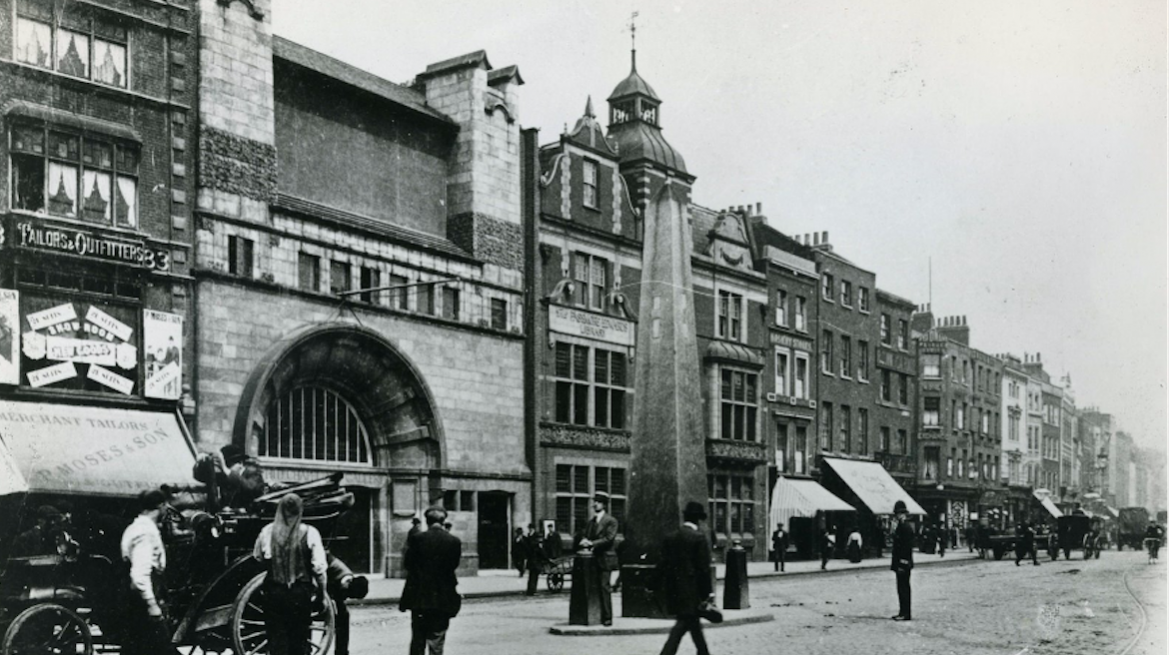
Whitechapel Gallery was founded in 1901 by the pioneering philanthropists and social reformers, Canon Samuel and Henrietta Barnett, with the aim of presenting “the finest art of the world for the people of the East End, London”.
The Gallery is located in the borough of Tower Hamlets, home then, as now, to predominantly working class and migrant communities. Over the years, it has welcomed artists, thinkers, writers and academics from across the globe – many of whom have settled in the area and helped to cement the East End as one of the world’s most exciting and diverse cultural quarters.
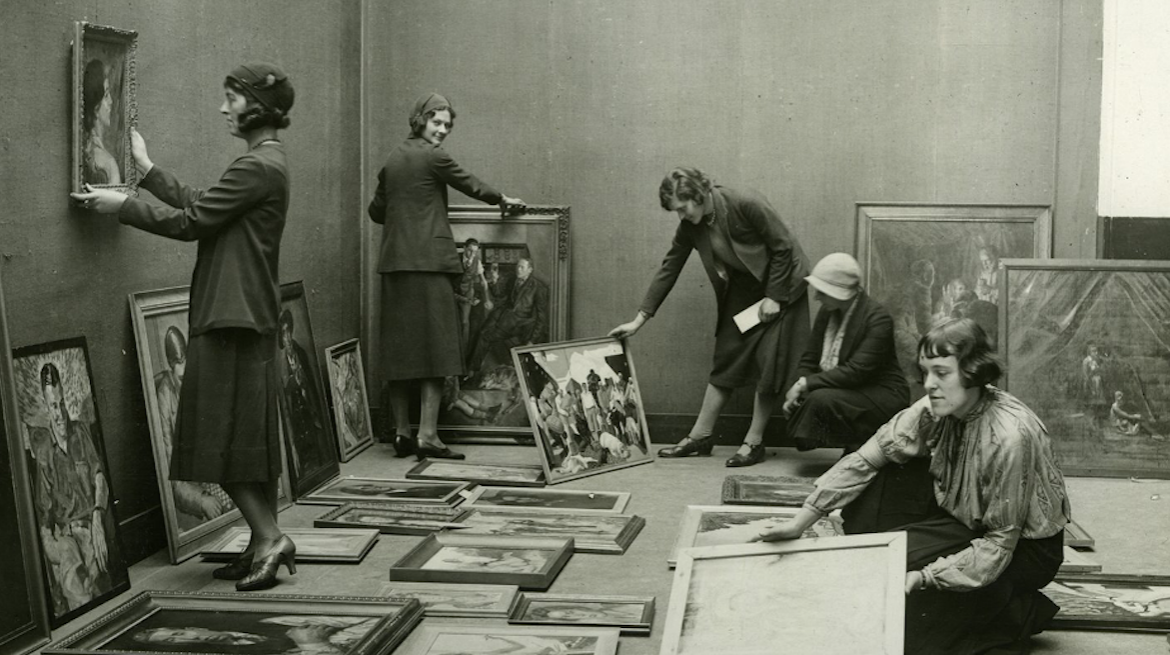
From the outset, driven by a desire to enrich the cultural offer of its neighbourhood, the Gallery exemplified a bold, often radical, programme of exhibitions and educational activities. It mounted the first UK exhibition of ‘Mohammedan’ art, encompassing artworks from Turkey, Persia, Egypt, Morocco and India (1908); presented topical exhibitions on health at the height of the tuberculosis epidemic (1909); explored the role of women during WWI (1918); staged a series of exhibitions reflecting Jewish art and culture; and showcased art from countries as diverse as China, Sweden, France and Brazil – all in its first few decades.
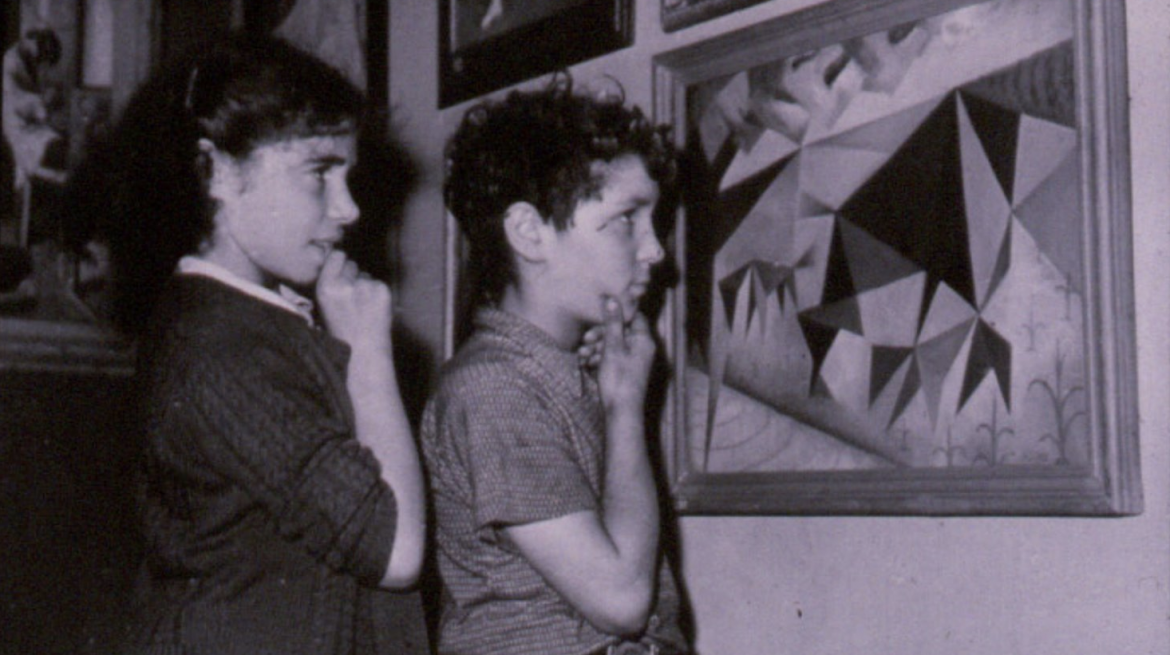
Central to the Gallery’s ethos was a commitment to promote and support local artists, including the work of schoolchildren from the area, as well as bringing artists from around the world to the UK – often for the first time.
Famously, in 1939, Pablo Picasso’s iconic anti-war and anti-fascist painting, Guernica, was presented at Whitechapel Gallery during its first and only visit to Britain. The requested entrance fee was the donation of a pair of boots to support the Republican cause in the Spanish Civil War. Across the years the roll call of visionary artists has included Barbara Hepworth (1954), Jackson Pollock (1958), Hélio Oiticica (1969), Lee Krasner (1965), David Hockney (1970), Gilbert & George (1971), Eva Hesse (1979), Frida Kahlo (1982), Sonia Boyce (1988), Cindy Sherman (1991), Alfredo Jaar (1992), Kiki Smith (1995), Tony Cragg (1997), Nan Goldin (2002), Sophie Calle (2010), Zarina Bhimji (2012), Hannah Höch (2014), Emily Jacir (2015), William Kentridge (2016), Theaster Gates (2021) and more recently, Nicole Eisenman (2023), Zineb Sedira (2024), Lygia Clark (2024), Donald Rodney (2025), Hamad Butt (2025) and Joy Gregory (2025).
Alongside its influential solo shows, the Gallery is renowned for its influential and groundbreaking group shows. These include: This is Tomorrow (1956), Liberty, Equality and Sisterhood (1978), From Two Worlds (1986), Woven Air (1988), Live in Your Head (2000), Back to Black (2005), Adventures of the Black Square (2015), Electronic Superhighway (2016) and Life is More Important than Art (2023). It has also continued to support local upcoming artists through dedicated initiatives and awards. The London Open, an open call triennial exhibition (originally established, in 1932 as the East End Academy) has launched many of our most acclaimed artists in the early stages of their career, including Anish Kapoor, Julian Opie, Cornelia Parker, Grayson Perry, Bob & Roberta Smith, Richard Wentworth, Rachel Whiteread and Antony Gormley; while the Max Mara Art Prize for Women, (established in 2005) has also supported and developed UK-based women artists through a solo exhibition and residency programme.
Reputationally and influentially, the Gallery’s pioneering artistic, learning and community programmes have inspired millions over the years and offered dynamic models of engagement that have been adopted by cultural organisations worldwide. From specialist projects and activities tailored towards young people, schools, families and local groups, to an agenda-setting programme of public talks and events, Whitechapel Gallery continues to set the standard for dynamic and inclusive engagement with art and ideas.
Since expanding its spaces in 2009, through a major capital project that included purchasing the former Whitechapel Public Library building next door, the Gallery’s capacity to show ambitious and complex work has dramatically increased, making way for expanded exhibition spaces, new commissions and the presentation of an even greater array of forms and technologies.
As it celebrates its 125th anniversary, the Gallery’s focus on delivering bold, thought-provoking exhibitions remains as important today as it did over a century ago. It reaffirms its commitment to being a truly inclusive, collaborative and democratic space for contemporary art and ideas, a beacon for under-represented voices especially women-identifying artists and artists of colour, and to work with its diverse communities to reflect and drive forward positive societal change.
For more information on the Gallery’s history, please contact our archive.
Whitechapel Gallery is a Registered Charity no: 312162