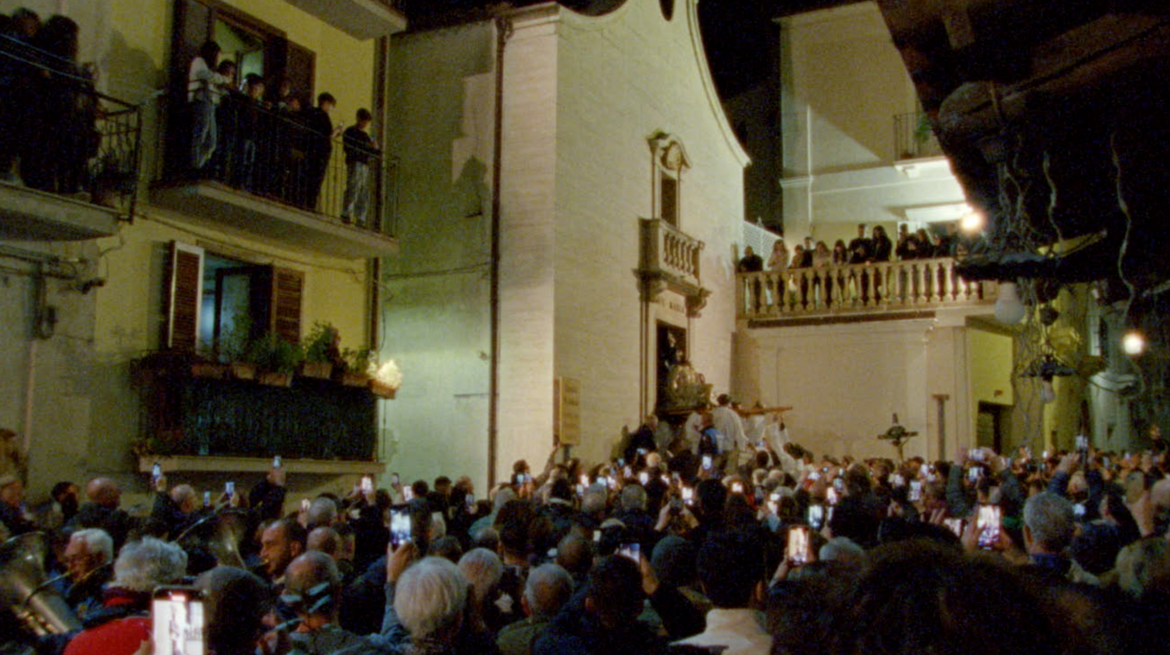
George Finlay Ramsay, Flesh, Wax & Glass II- The Age of the Son (2024). Courtesy of the artist
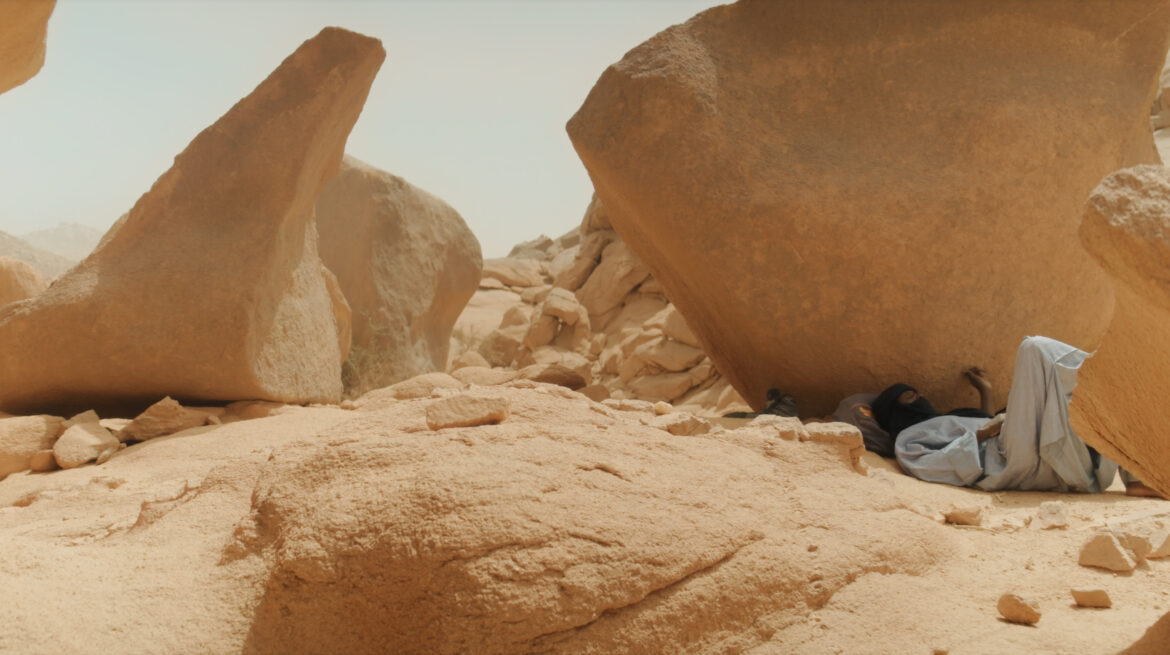
Arwa Aburawa and Turab Shah, And still, it remains (2023). Courtesy of the artist
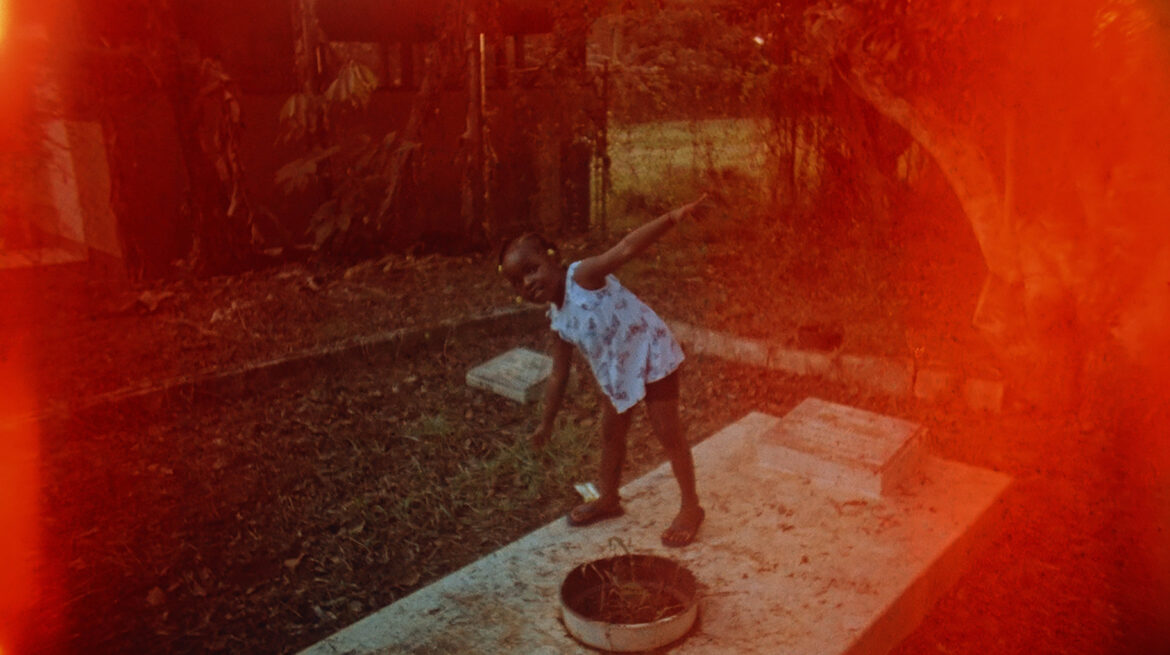
Hope Strickland, a river holds a perfect memory (2024). Courtesy of the artist
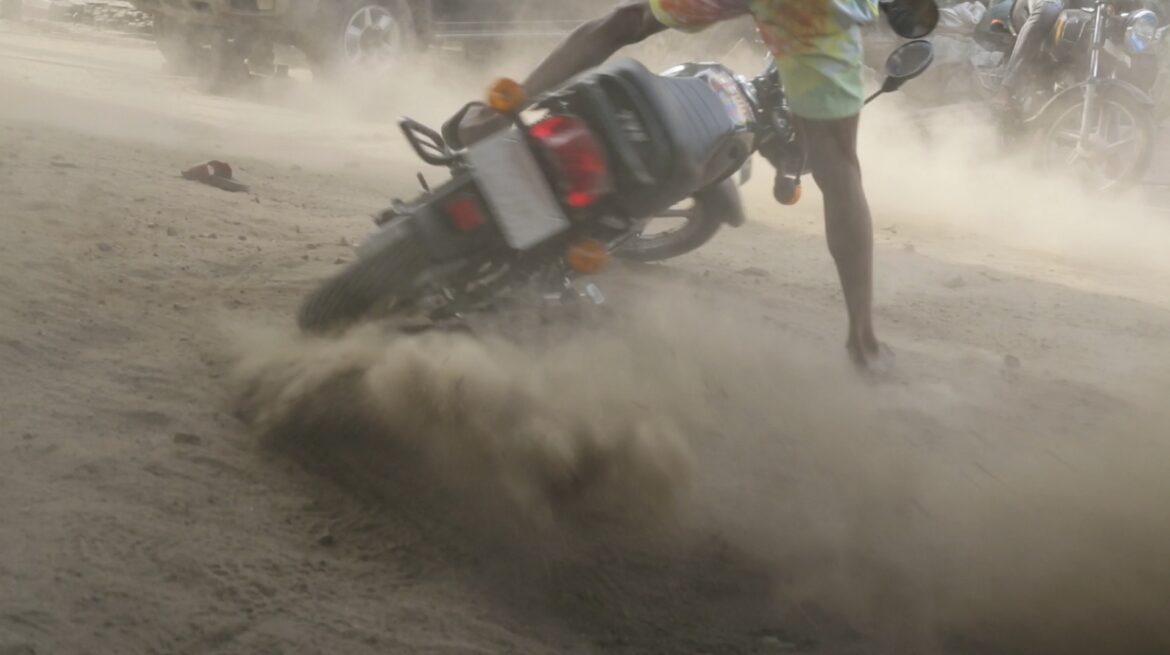
Karimah Ashadu, Machine Boys (2024). Courtesy of the artist
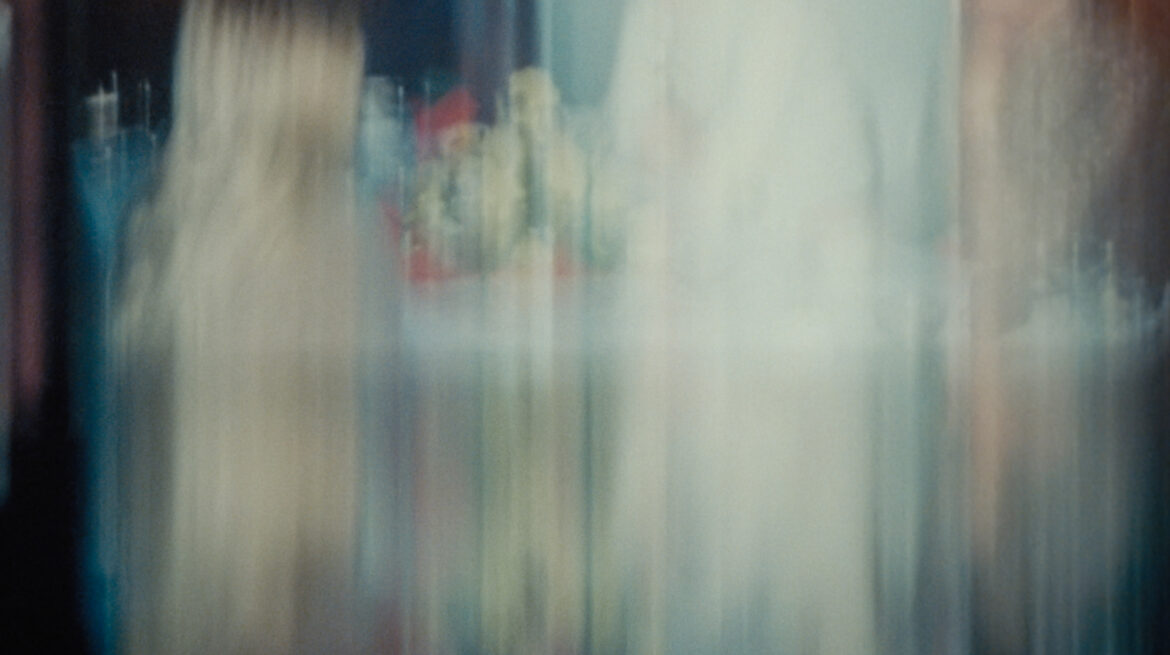
Morgan Quaintance, Repetitions (2022). Courtesy of the artist
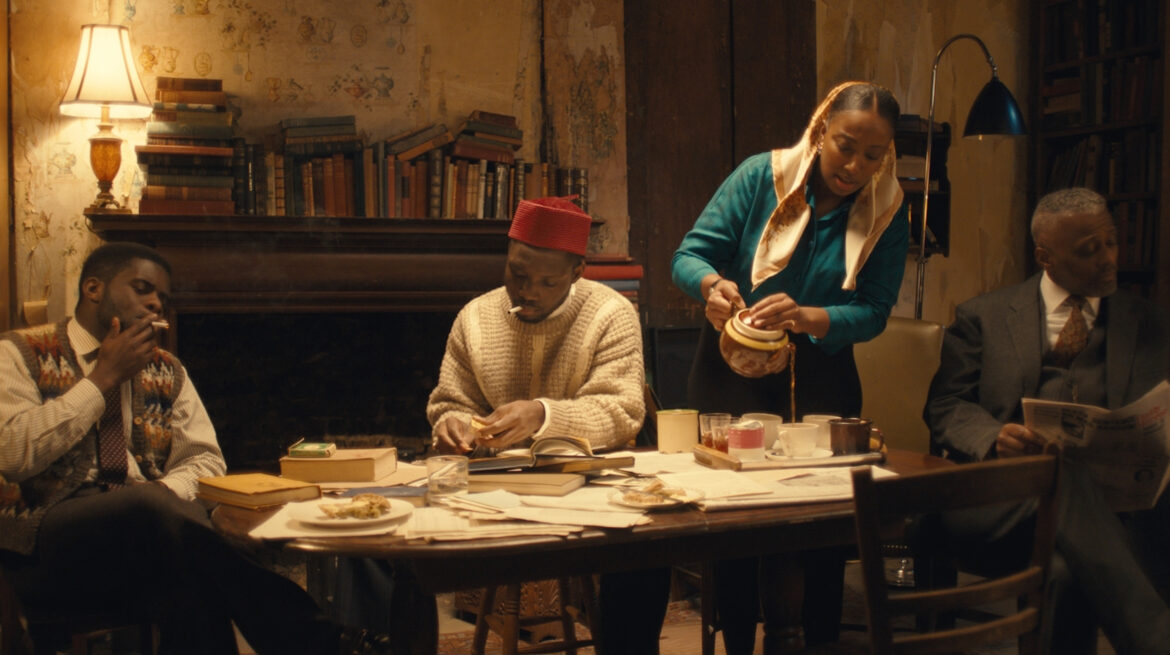
Onyeka Igwe, A Radical Duet (2023). Courtesy of the artist
Past Exhibition
Whitechapel Gallery is committed to making all of our exhibitions as accessible as possible for every visitor. Please contact access@whitechapelgallery.org if you would like to discuss a particular request and we will gladly discuss with you the best way to accommodate it.
For complete access information about the gallery, please visit https://www.whitechapelgallery.org/visit/access/.
Please note, there is low lighting in the exhibition space. Seating in Assembly Room includes sofas, chairs with backs, stools, and beanbags.
Featuring work from the six artists shortlisted for the prestigious 2025 Film London Jarman Award, the exhibition will offer audiences the chance to explore an extraordinary range of boundary pushing moving image work.
The nominated artists are Arwa Aburawa and Turab Shah, Karimah Ashadu, Onyeka Igwe, Hope Strickland, Morgan Quaintance and George Finlay Ramsay.
This year’s shortlist was selected by Matthew Barrington, Cinema Curator, Barbican; Shaminder Nahal, Commissioning Editor, Arts and Topical, Channel 4; Maryam Tafakory, 2024 Jarman Awardee; Gilane Tawadros, Director, Whitechapel Gallery; Nicole Yip, Director, Spike Island and Film London Board Member.
Arwa Aburawa and Turab Shah
And still, it remains (2023), 28 minutes
11:00 / 13:31 / 16:03 / 18:34*
Morgan Quaintance
Repetitions (2022), 24 minutes
11:28 / 14:00 / 16:31 / 19:03*
Hope Pearl Strickland
a river holds a perfect memory (2024), 17 minutes
11:53 / 14:25 / 16:56 / 19:27*
Karimah Ashadu
Machine Boys (2024), 8 minutes
12:11 / 14:42 / 17:14 / 19:45*
Onyeka Igwe
A Radical Duet (2023), 28 minutes
12:20 / 14:52 / 17:23 / 19:55*
George Finlay Ramsay
Flesh, Wax & Glass: The Age of the Son (2024), 38 minutes
12:49 / 15:20 / 17:52* / 20:23*
* Thursdays only
Arwa Aburawa and Turab Shah’s And still, it remains (2023) is a meditation on the afterlife of French nuclear toxicity in Algeria through a community shaped but not circumscribed by its history. In Mertoutek, a village nestled in the Hoggar Mountains of Algeria’s Southern Sahara, we spend time with the Escamaran community as they narrate their accounts and understanding of time, toxic colonialism and how to survive the end of your world. Summoning the landscape as a witness, the film also affords the residents some distance from colonial forms of visual capture and challenges visibility as the currency for political redress.
In Machine Boys (2024), Karimah Ashadu enters the underground community of motorbike taxi drivers, a forbidden practice in Lagos, and delivers a visceral portrait of masculinity and precarious labour in Nigeria’s patriarchal culture.
Flesh, Wax & Glass: The Age of the Son (2024) is the second part of George Finlay Ramsay’s trilogy which charts three years of a Southern Italian bloodletting rite, and one family’s process of mourning. The film follows a bereaved son as he performs the religious Vattienti procession following his father’s death, forming a tender portrait of ritual laden with medieval Christian symbolism alongside delicate gospel-inspired score by Coby Sey.
Onyeka Igwe’s A Radical Duet (2023) is set in 1947 when London was a hub of radical anti-colonial activity. International intellectuals, artists, and activists like Funmilayo Ransome-Kuti, Sylvia Wynter, C.L.R. James, Kwame Nkrumah, and George Padmore were all in the city at the eve of the end of British colonialism. The film imagines the meeting of these figures, who were individually agitating for their respective countries’ national independence.
Morgan Quaintance’s Repetitions (2022) dissects formal elements of film in a heightened sequence of flickering images and sound loops which speak to social histories of industrial and physical labour.
Hope Strickland’s a river holds a perfect memory (2024) meanders gently across waterways in Jamaica, from a leisurely raft on the Martha Brae River to a night-time boat trip in Falmouth’s bioluminescent Lagoon. Shifting focus to the impact of industry on the waters of northern England, the film uses water to explore the entanglement of these supposedly disparate communities.
FLAMIN (Film London Artists’ Moving Image Network) is supported by: